

PyData London 2026
June 5-7, 2026
Convene Sancroft, St. Paul's
Tutorials: Friday, June 5-7
Talks: Saturday and Sunday, June 6-7
Keynote Speakers all 3 days
Keynote Speakers


Samuel Colvin
Founder of Pydantic Inc-
Samuel Colvin is a Python and Rust developer and Founder of Pydantic Inc., backed by Sequoia to build Pydantic Logfire — developer first observability. The Pydantic library, which he created is downloaded over 280M/month and is a dependency of virtually every GenAI Python libraries including the OpenAI SDK, the Anthropic SDK, the Google Gen AI SDK, Langchain and LlamaIndex.

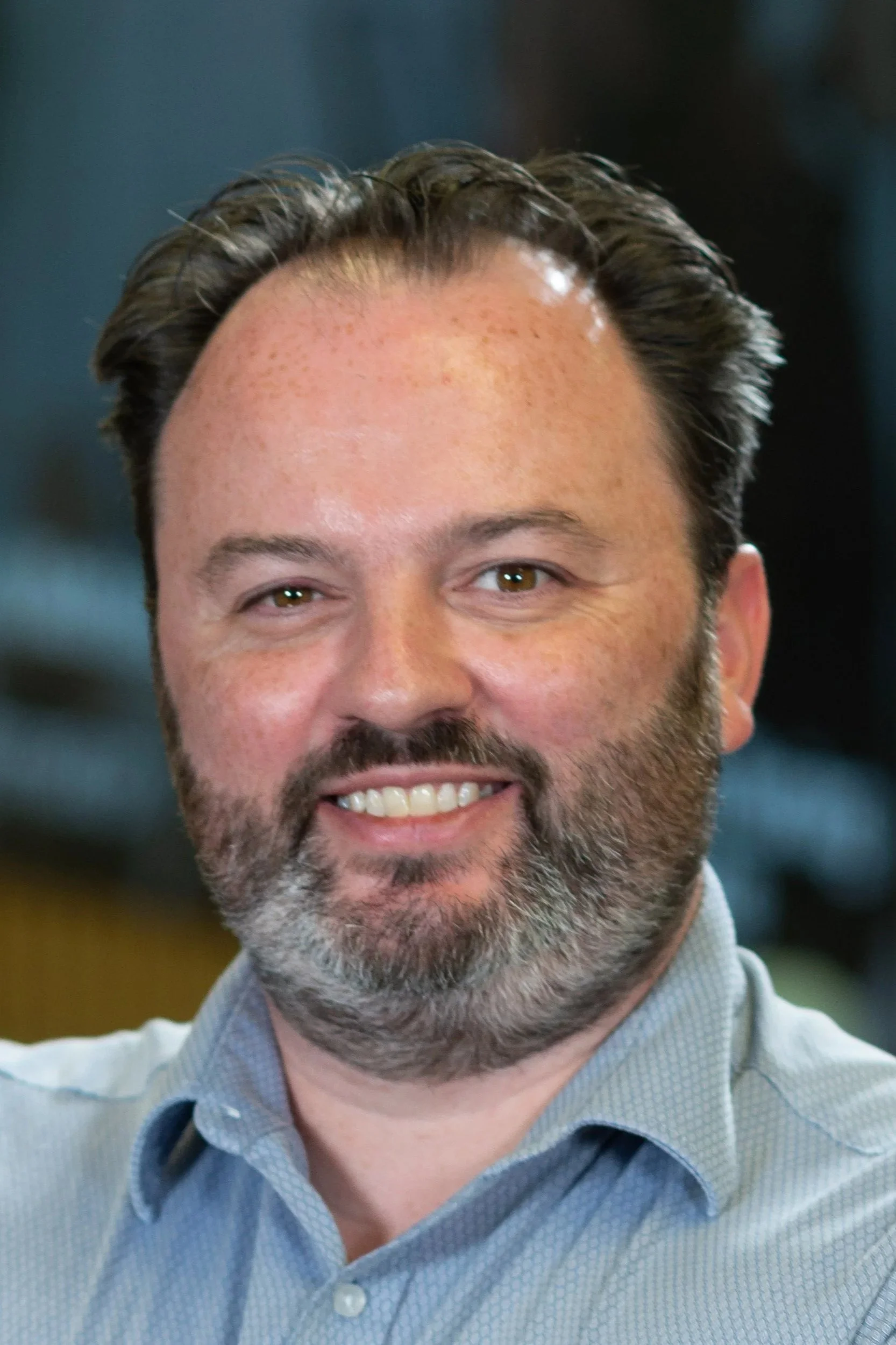
Rachel Lee- Nabors
Developer Experience, Arize-
Rachel-Lee Nabors spent the better part of their career on web standards and opensource and has spearheaded developer education at FAANG and startups, on the React Team, and W3C. Now they work to usher in the future with browser builders and Silicon Valley startups, teaching a new generation of builders that “it's not magic; it's just math” and building experiences that adapt information to people. You can find them drinking tea in London or shadowboxing in San Francisco.
Jeremiah Lowin
Founder and CEO of Prefect-
Jeremiah Lowin is the founder and CEO of Prefect and the author of FastMCP. Prefect develops automation tools used across the data and AI ecosystem, and FastMCP has become the standard framework for working with the Model Context Protocol. Before founding Prefect, he spent over a decade leading risk and data initiatives at major investment firms and was a founding member of the Apache Airflow PMC. He lives in Washington, DC.
Martin O'Reilly
Director of Research Engineering at the Alan Turing Institute-
Martin O'Reilly is Director of Research Engineering at the Alan Turing Institute, where he leads a team of software, data and infrastructure engineers who work across the Turing's research portfolio to bridge the gap between research and practice - from AI for weather prediction to AI-assisted air-traffic control. Prior to Turing, Martin spent several years developing software, data standards and engineering practices in the education sector before going back to school to build robots and try and understand the brain by modelling it.
WHAT TO EXPECT
PyData London 2026 is a 3-day in-person event for the international community of data scientists, data engineers, and developers of data analysis tools to share ideas and learn from each other.
During the conference, attendees will have the opportunity to attend live keynote sessions and talks, lightning talks, and get to know fellow members of the PyData Community.
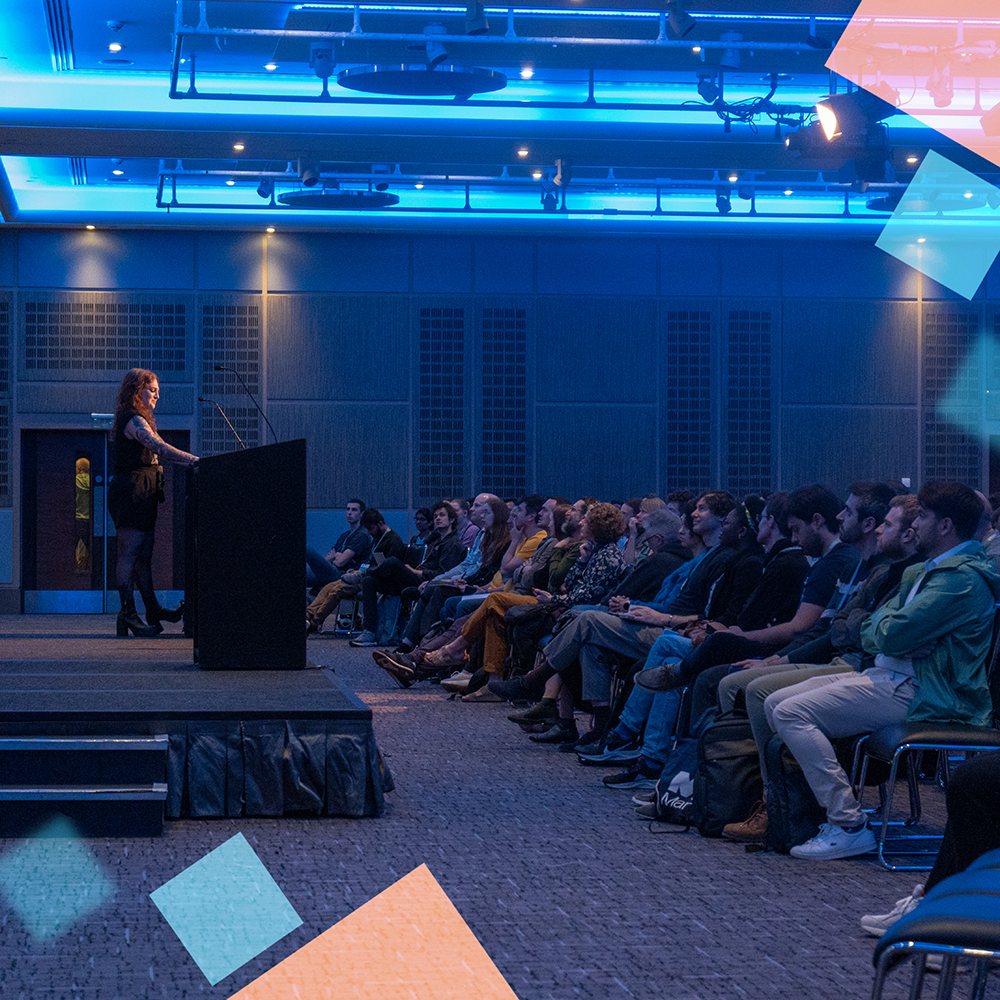

The event will be in-person at the Convene Sancroft, St. Paul's (Sancroft, Rose St, Paternoster Sq., London EC4M 7DQ, United Kingdom).
The conference will span from Friday, June 5th, 2026 to Sunday, June 7th, 2026.
Tutorials: Friday, June 5-7
Talks: Saturday and Sunday, June 6-7



ABOUT PYDATA
The global PyData network promotes discussion of best practices, new approaches, and emerging technologies for data management, processing, analytics, and visualization. PyData communities approach data science using many languages, including (but not limited to) Python, Julia, and R.

LOCATION
The event will be in-person at the Convene Sancroft, St. Paul's (Sancroft, Rose St, Paternoster Sq., London EC4M 7DQ, United Kingdom).
The conference will span from Friday, June 5th, 2026 to Sunday, June 7th, 2026.